How to Heat a Tiny Home in Winter
Living small does not mean living cold. If you plan ahead, insulate well, and choose the right system, you can stay comfortable, protect your home from moisture and freezing, and avoid energy waste. This guide explains how to heat a tiny home in winter with practical steps, real examples, and trustworthy references. You will find sizing tips, pros and cons of common systems, envelope upgrades, safety essentials, and a realistic look at costs and trade-offs.
Why Planning How to Heat a Tiny Home in Winter Matters
Understanding how to heat a tiny home in winter starts with recognizing the unique challenges of small spaces. Tiny homes have a limited interior volume, which makes temperature changes more noticeable. Proper insulation and airtight sealing are essential to reduce heat loss and maintain a stable, cozy environment. When planning how to heat a tiny home in winter, focus on sealing drafts, upgrading window coverings, and improving wall and floor insulation to keep warmth inside and cold air out.
There are many effective options for how to heat a tiny home in winter. Homeowners often rely on ductless mini-split heat pumps, radiant floor systems, compact wood or pellet stoves, propane heaters, and electric wall or baseboard units. Each heating method offers different levels of efficiency, space savings, and comfort. The key is to match your heating solution to your climate, energy source, and lifestyle so you can stay warm efficiently all season long.
Key Factors Before You Choose a Heating System
- Envelope first: Add insulation to walls, roof, and floor. Seal doors and windows. Use thermal curtains or insulating shades to limit night heat loss. Skirt the trailer underbody in cold regions to block wind.
- Climate and exposure: Colder zones require higher output and often a primary plus backup solution. Loft spaces can overheat while floors remain cool, so plan air circulation and floor comfort accordingly.
- Right-sized equipment: Oversizing wastes energy and can create humidity issues. Undersizing leads to cold corners. Review manufacturer sizing charts for mini-splits and heaters that match your square footage and insulation level.
- Ventilation and safety: Airtight tiny homes need fresh air and moisture control. Combine good heating with ventilation and install smoke and carbon-monoxide alarms when using combustion systems.
Real Case Study: Heating a Tiny Home in a Colorado Winter
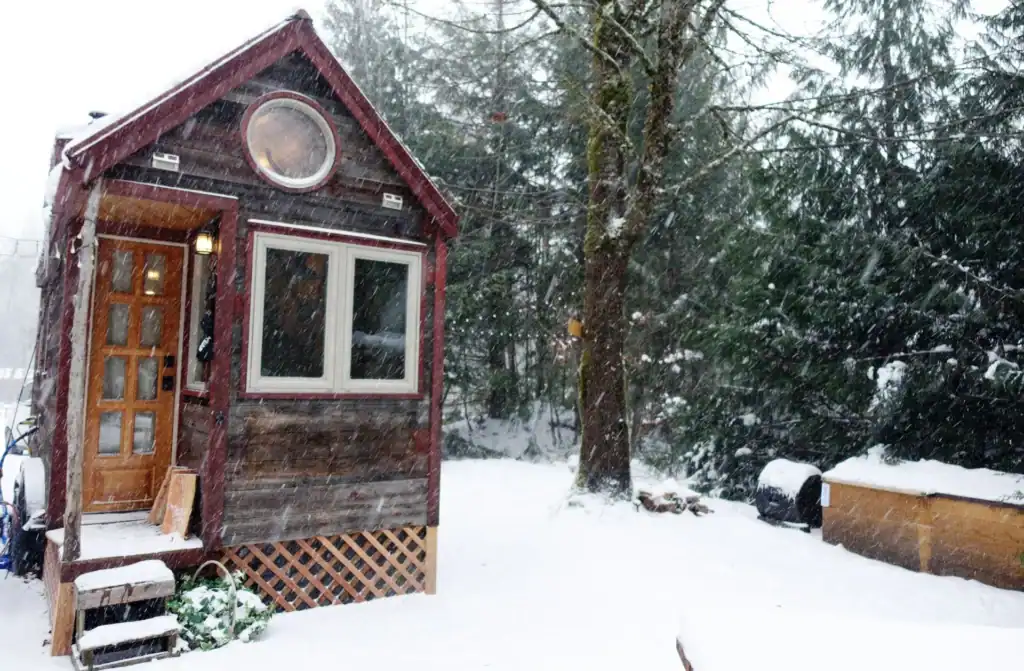
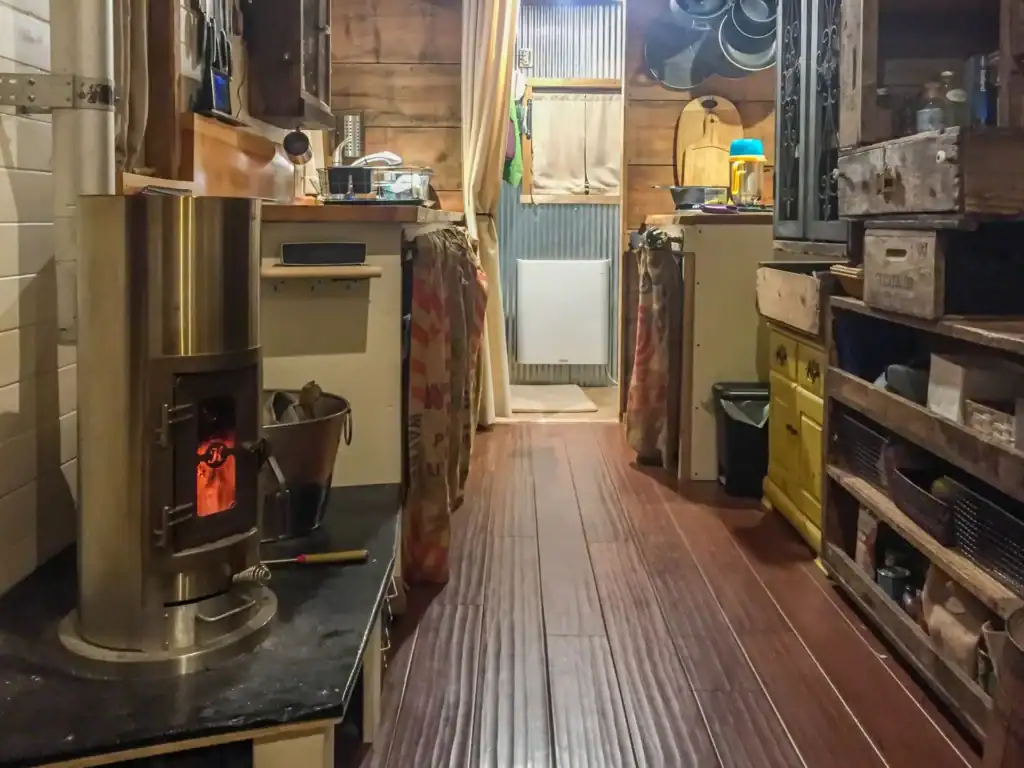
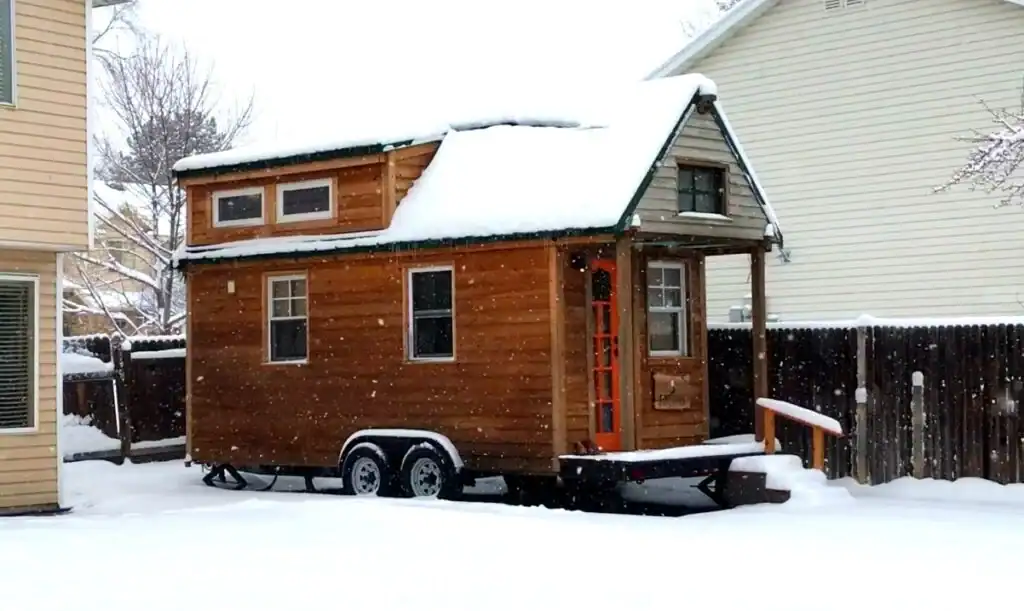
One widely referenced tiny-home owner in the Rocky Mountains shared valuable insight into how to heat a tiny home in winter. They maintained indoor temperatures between 60 and 75 °F during single-digit and sub-zero nights by combining a wall-mounted electric panel heater for milder days with a compact Kimberly wood stove for colder periods. The same owner also used a trailer skirt, high R-value insulation, and window foam panels to minimize heat loss. This real example demonstrates that understanding how to heat a tiny home in winter means layering heat sources and optimizing insulation for consistent comfort.
If you are researching how to heat a tiny home in winter using a wood stove, review the manufacturer’s specifications for clearance, venting, and output before installation. The Kimberly stove is designed for small spaces and long burn times, making it a popular solution among off-grid owners who want reliable winter warmth. Always verify local building codes, follow safety guidelines, and install smoke and carbon-monoxide detectors to ensure efficient and safe heating in your tiny home.
Best Heating Systems for Tiny Homes
- Ductless mini-split heat pump: Highly efficient heating and cooling with a compact indoor unit. Good for grid-tied homes and year-round comfort.
- Radiant floor heating: Comfortable and invisible in small spaces. Works best with a well-insulated shell and consistent occupancy.
- Wood or pellet stove: Strong heat output for very cold climates and off-grid living. Requires fuel storage, venting, and regular maintenance.
- Propane heater: Practical for mobile homes. Ensure proper venting and CO monitoring. Plan supply logistics during storms or remote stays.
- Electric panel or baseboard: Low upfront cost and simple installation. Running cost depends on electricity rates and climate severity.
Step-by-Step Guide: How to Heat a Tiny Home in Winter
- Audit your envelope: Identify air leaks at doors, windows, and penetrations. Add weatherstripping, caulk, and insulating shades. Consider clear interior window film during cold months.
- Estimate your heating load: Note square footage, insulation quality, and local winter lows. Use manufacturer sizing charts for mini-splits or stove BTU guidance.
- Select primary heat: Pick the system that fits grid access, climate, and budget. Many grid-tied tiny homes choose a mini-split for both heat and summer cooling.
- Add redundancy: Combine systems when winters are severe. The Colorado case paired an electric heater with a compact wood stove to cover mild days and deep cold.
- Install and test early: Run the system before the coldest weeks. Check temperature differences between loft and floor. Use a low-speed ceiling fan to push warm air down.
- Operate smartly: Target 65 to 70 °F for comfort and savings. Close shades at night and open them for solar gain by day. Track your energy use to refine settings.
- Maintain safety: Clean filters, inspect flues, verify clearances, and test smoke and CO alarms regularly.
Best Options by Scenario
| Scenario | Good Option | Why It Fits |
|---|---|---|
| Mild winter + grid power | Mini-split heat pump | Efficient heating and cooling in one compact unit. |
| Very cold climate | Radiant floor + wood stove | Comfortable radiant baseline with solid backup. |
| Mobile tiny home | Propane or compact wood stove | Portable fuel and strong heat output with venting. |
| Off-grid | High-efficiency wood stove | Fuel independence with careful storage and maintenance. |
| Low upfront budget | Electric panel or baseboard | Simple setup for small spaces with manageable cost. |
Common Mistakes to Avoid
- Ignoring insulation: Hoping the heater will fix poor insulation leads to high bills and cold corners.
- Poor sizing: Oversized units short cycle, undersized ones never catch up. Use manufacturer charts.
- No backup heat: Winter storms and power cuts happen. A secondary heater prevents frozen pipes.
- Uncovered windows: Uninsulated glass leaks heat. Use thermal curtains or tight shades at night.
- Lack of maintenance: Clean filters, inspect chimneys, and test CO alarms regularly.
Practical Tips You Can Apply This Week
- Use insulating drapes or cellular shades to block drafts and retain warmth.
- Lay thick rugs on floors to reduce heat loss and improve comfort underfoot.
- Run a low-speed ceiling fan to push warm air from loft to floor.
- Lower your thermostat slightly at night to save energy while staying comfortable.
- Keep a maintenance log for filters, flue checks, and detector tests.
Recommended External Resources
- Trane: Guide to Heating and Cooling Tiny Homes
- Tiny Society: Types of Tiny House Heaters
- Tiny House Giant Journey: Colorado Winter Case Study
- DOE: Fall and Winter Energy-Saving Tips
Internal Links on TinyHomePath
FAQs: How to Heat a Tiny Home in Winter
Conclusion
Success with winter heating comes from preparation. Tighten the envelope, pick a right-sized primary system, add a reliable backup for extreme conditions, and operate it efficiently. Follow these steps and you will know exactly how to heat a tiny home in winter without sacrificing comfort or increasing your energy bill.